Car Key Replacement by Vehicle Brand: What Actually Differs
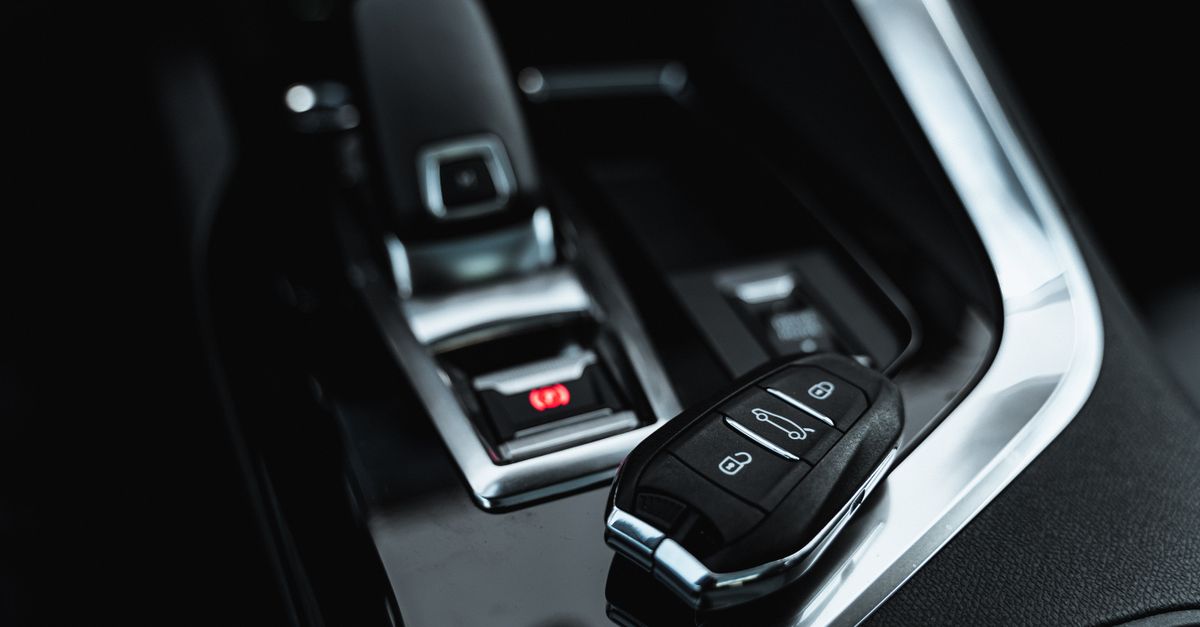
Not all car keys are created equal, and the brand of your vehicle is one of the biggest factors shaping the replacement process. General Motors vehicles — think Chevrolet, GMC, Buick, and Cadillac — frequently use high-security laser-cut keys and encrypted transponder chips that must be matched to the vehicle's ECU. Ford and Lincoln models, especially those made after 2015, often rely on proximity-based smart keys that require bidirectional communication with the vehicle's body control module. Chrysler, Dodge, Jeep, and Ram vehicles use their own proprietary fob-and-transponder pairing sequences that differ significantly even between consecutive model years. Our technicians carry the diagnostic and programming equipment needed to handle all of these platforms without towing your vehicle to a dealership.
Foreign brands add another layer of complexity. Toyota and Lexus use a rolling-code transponder system that requires real-time synchronization with the vehicle's immobilizer. Honda and Acura models from the mid-2000s onward frequently use an internal transponder embedded directly inside the key head — lose that key and a standard hardware-store duplicate simply will not start the car. BMW and Mercedes-Benz smart keys often contain proximity sensors, emergency blade keys, and encrypted memory chips all in one unit. Hyundai, Kia, Volkswagen, and Audi each have their own systems as well. Regardless of brand, our skilled technicians verify ownership before beginning any work, then use OEM-compatible programming tools to generate a fully functional replacement. We also verify that any existing lost key is de-authorized from the vehicle's system, which is a critical security step many vehicle owners overlook.